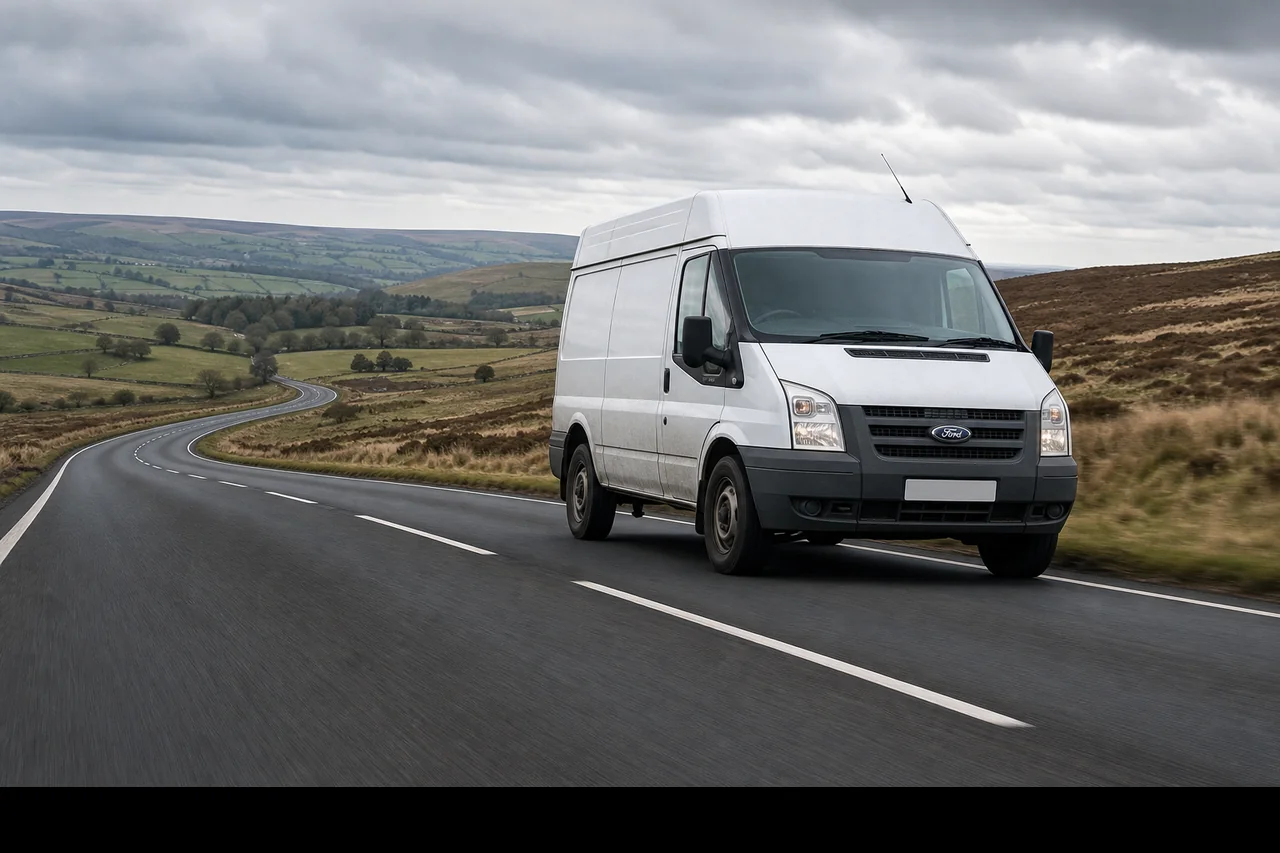
An economy remap can save fuel on suitable diesels and high-mileage vehicles when driven with restraint — expect realistic gains around 5–12%, not headline 20%+ promises. More low-down torque means earlier upshifts and less throttle to maintain pace. Petrol economy gains are smaller. A blocked DPF, tired injectors or aggressive driving wipes out any benefit. FLR economy remaps from £150 include diagnostics on standard bookings — same honest process as Stage 1.
The Short Answer
Does an economy remap save fuel? Yes — on the right car, in the right condition, driven the right way. Economy remapping adjusts ECU calibration toward torque efficiency rather than maximum performance. You get usable low-down pull without needing heavy throttle input to maintain speed on the motorway or climb Pennine gradients out of Rossendale.
That does not mean your dashboard instantly shows 60mpg. Fuel consumption depends on driving style, tyre condition, route profile, load and mechanical health. Tuners who quote 15–20% as guaranteed are selling marketing, not physics. We tell Lancashire customers to expect a meaningful but modest improvement — enough to matter over a year of commuting or fleet miles, not enough to pay for the remap in a fortnight unless you drive huge distances.
At Finish Line Remaps, economy remapping from £150 uses the same diagnostics-first approach as our Stage 1 work. Custom-written calibration for your engine, factory backup saved, post-map verification. Compare full UK pricing in our remap cost guide.
How Economy Remapping Works
Economy remapping is not a separate black box bolted under the bonnet. It is ECU calibration written to prioritise efficient torque delivery over peak power figures. The ECU still controls fuelling, boost and timing — but the targets shift toward earlier torque, smoother delivery and reduced need for high-rpm throttle openings.
Torque where you use it
Factory maps often leave low-rpm torque conservative for emissions homologation and global fuel-grade compatibility. An economy map unlocks more of the torque the turbo and injectors can deliver cleanly at low rpm. You change up earlier, cruise with less pedal, and avoid downshifting on every incline on the A56 — all of which reduce fuel use without you consciously "hypermiling."
Not the same as Stage 1
Stage 1 chases performance feel — sharper response, stronger mid-range, overtaking confidence. Economy calibration chases efficiency — usable pull without encouraging you to floor it. Some customers want both philosophies balanced; we discuss goals at quote stage. A van doing 25,000 miles a year has different priorities than a weekend Golf GTI owner.
Diagnostics still matter
Economy remapping on a car with a blocked DPF, weak injectors or a slipping turbo does not save fuel — it stresses failing parts faster. Every FLR economy job starts with a health scan. Standalone diagnostics is £40; included on standard remap bookings.
Realistic economy remap results: expect roughly 5–12% fuel savings on healthy high-mileage diesels and commercial vans when driven sensibly — not 20%+ magic numbers from cheap adverts. Petrol gains are typically smaller. Aggressive driving, roof boxes, under-inflated tyres and unresolved mechanical faults erase any benefit. Economy remapping makes the engine work smarter; it does not turn a 35mpg van into a 50mpg hybrid.
Realistic MPG Gains — What to Actually Expect
Forum threads swing between "saved me hundreds a month" and "complete waste of money." Both can be true — for different cars, different drivers and different mechanical conditions.
On a healthy 2.0 TDI doing mixed Lancashire commuting — town, A-road, short motorway bursts — a 5–8% improvement is a fair expectation when the driver does not chase the new torque for sport. A high-mileage diesel van on long motorway runs with sensible cruising can see toward the 10–12% end if load and tyre condition are good.
What we do not promise:
- Guaranteed dashboard MPG figures — onboard computers vary and adapt over time
- Massive gains on short urban trips with constant stop-start regardless of map
- Fuel savings that offset remap cost within weeks unless you drive very high mileage
- Improvement on a mechanically unhealthy car without repair first
Track your fuel properly — brim-to-brim over two tanks before and after, same routes, similar weather — if you want hard numbers. Single-tank anecdotes prove nothing.
Why 5–12% is still worth it for high-mileage drivers
A 7% improvement on a van doing 28,000 miles a year at typical UK diesel prices can represent meaningful annual savings — enough to justify a £150 remap over a single year when the vehicle is healthy and routes are motorway-heavy. The maths fails when mileage is low, the van needs injectors, or the driver treats the new torque like a race start at every junction. We run the honest numbers at quote stage so fleet managers and sole traders know what they are buying.
Economy remapping is not an alternative to basic maintenance. Under-inflated tyres, dragging brakes, roof bars left on year-round and short-trip-only usage all hurt MPG more than any map can recover. We mention this because customers sometimes book economy remaps hoping software fixes neglect — it does not.
Diesel vs Petrol — Where Economy Remaps Win
Diesel engines dominate the economy remap conversation in the UK — especially vans, tow cars and high-mileage commuters across the North West. Turbo diesel torque at low rpm maps directly to less fuel burned maintaining speed.
Turbo petrol economy remaps can help — earlier torque means less downshifting and fewer high-rpm bursts — but percentage gains are typically smaller than on equivalent diesels. If you drive a 1.4 TSI Golf for 8,000 miles a year, the fuel saving alone may not justify the remap; improved drivability might still make it worthwhile. We quote honestly per reg.
Compare fuel types in depth in our petrol vs diesel remap guide. Economy calibration is not "weaker Stage 1" — it is a different calibration goal written for your hardware.
Driving Style — The Variable Tuners Cannot Control
The biggest factor in post-remap fuel consumption is the person behind the wheel. More torque tempts more throttle — and more throttle burns more fuel regardless of calibration philosophy.
Customers who treat an economy map like Stage 1 and chase the new pull through every roundabout see consumption rise, not fall. Customers who maintain the same road speed with less pedal input see the gain. We explain this at handover because it determines whether you feel the remap "worked."
Practical tips after an economy remap:
- Upshift earlier — the torque is there without holding lower gears
- Maintain steady motorway speed rather than chasing traffic gaps
- Check tyre pressures and remove unused roof bars — basics beat any map
- Fix dragging brakes, wheel bearing drag and airflow restrictions
- Allow a tank or two for adaptation — ECU and driving habit both settle
Lancashire hills do not disappear after a remap. Grane Road still needs power — the goal is delivering that power efficiently, not pretending gradients do not exist.
Measuring economy gains properly
Onboard trip computers lie — sometimes optimistically, sometimes pessimistically depending on manufacturer. For a fair before-and-after comparison, brim the tank, record mileage, repeat the same commute or delivery route for two full tanks, then compare. Include weather and load in your notes. Winter consumption rises regardless of maps; comparing July figures to January proves nothing.
Some customers pair economy remaps with driver coaching in fleet settings — gentle throttle, anticipation, correct tyre pressures. Software and behaviour together maximise return. A map cannot fix a driver who idles for twenty minutes every morning on a cold van.
Fleet and Van Fuel Savings
Commercial operators ask whether economy remapping pays back across a fleet. The maths works when mileage is high and drivers maintain sensible habits. A 8% improvement on a van doing 30,000 miles a year at current diesel prices can exceed a £150 remap cost within a year — but only if the van is healthy and routes are motorway-heavy.
Urban delivery vans with constant stop-start see smaller percentage gains. The remap still improves drivability and load pulling — but fuel spreadsheets should use realistic assumptions, not best-case marketing.
FLR offers fleet tuning for Lancashire businesses — multi-van bookings, consistent calibration across vehicles where platforms match, and honest advice when one van in the fleet needs mechanical attention before mapping. We map from our Haslingden base and mobile across the North West.
When an Economy Remap Is Not Worth It
We turn economy enquiries away or redirect to diagnostics when:
- Annual mileage is very low — under 8,000 miles a year rarely justifies fuel savings alone
- Mechanical faults are present — DPF, injectors, turbo issues need fixing first
- Petrol non-turbo with modest use — gains may not justify cost; drivability-only justification is fine if expectations are clear
- Performance is the real goal — Stage 1 from £150 may deliver better value for drivers who want feel, not spreadsheets
- Illegal emissions work requested — we do not delete DPFs or defeat emissions systems
Sometimes the right answer is "fix the car first" or "your mileage is too low for fuel savings to matter — but drivability might still improve." That honesty saves everyone time.
Economy remap vs Stage 1 for mixed goals
Some owners want a blend — better response without chasing maximum BHP, and modest fuel improvement on long journeys. We discuss calibration goals at quote stage rather than forcing a binary choice. A Transit owner doing 30,000 motorway miles might prioritise economy; a 2.0 TDI estate doing 12,000 mixed miles might prefer Stage 1 feel with incidental economy benefit when driven gently. Neither is wrong — the reg, mileage and use case decide.
If performance is your primary goal, Stage 1 from £150 often delivers better perceived value. Economy remapping shines when fuel line items matter — fleet spreadsheets, sole-trader margins, high-mileage commuting. Read UK remap pricing to compare services side by side.
FLR's Verdict — Economy Remap Fuel Savings
Does an economy remap save fuel? On healthy diesels and high-mileage vans driven sensibly, yes — realistically around 5–12%, not magic 20% adverts. Economy remapping from £150 at FLR includes diagnostics on standard bookings, custom-written calibration and factory backup saved.
We write economy maps for the car in front of us — not generic "eco" files pulled from a folder. Fleet operators across Lancashire trust us because we quote per vehicle and refuse to map unhealthy vans for a quick sale.
Request a quote via contact, call 01706 404 357, or read how much remaps cost in the UK for full pricing context.
Economy Remap Fuel Savings — Common Questions
Yes on suitable healthy diesels when driven sensibly — typically realistic gains around 5–12%, not guaranteed 20%+ figures. More low-down torque means less throttle to maintain speed. Driving style and mechanical health matter as much as the map.
Expect roughly 5–12% on healthy high-mileage diesels and vans under sensible driving. Petrol gains are usually smaller. Short urban trips and aggressive driving reduce or eliminate savings. Track brim-to-brim over consistent routes for accurate measurement.
No. Stage 1 prioritises performance feel — response and overtaking power. Economy remapping prioritises efficient torque delivery for fuel savings. Both are custom ECU calibration; the goals differ. FLR discusses your priorities at quote stage.
Economy remapping at Finish Line Remaps starts from £150 — same entry point as Stage 1, with diagnostics included on standard bookings. See our UK remap cost guide for full pricing.
Often yes — high-mileage diesels are prime candidates when injectors, turbo and DPF are healthy. Above 120k miles we diagnostics thoroughly first. Borderline components may need repair before mapping delivers fuel savings.
Yes — commercial vans doing high annual mileage benefit most. Transit, Sprinter and Vivaro platforms remap well. Fleet bookings available via our fleet tuning service across Lancashire.
A proper road-focused economy remap on a healthy car should not cause MOT issues. We do not perform DPF or emissions deletes. Underlying faults plus any modification can affect emissions — fix mechanical problems first.
Diesel typically sees larger percentage gains due to low-rpm torque characteristics. Turbo petrols see modest improvement; non-turbo petrols see less. Read our petrol vs diesel remap guide for the full breakdown.