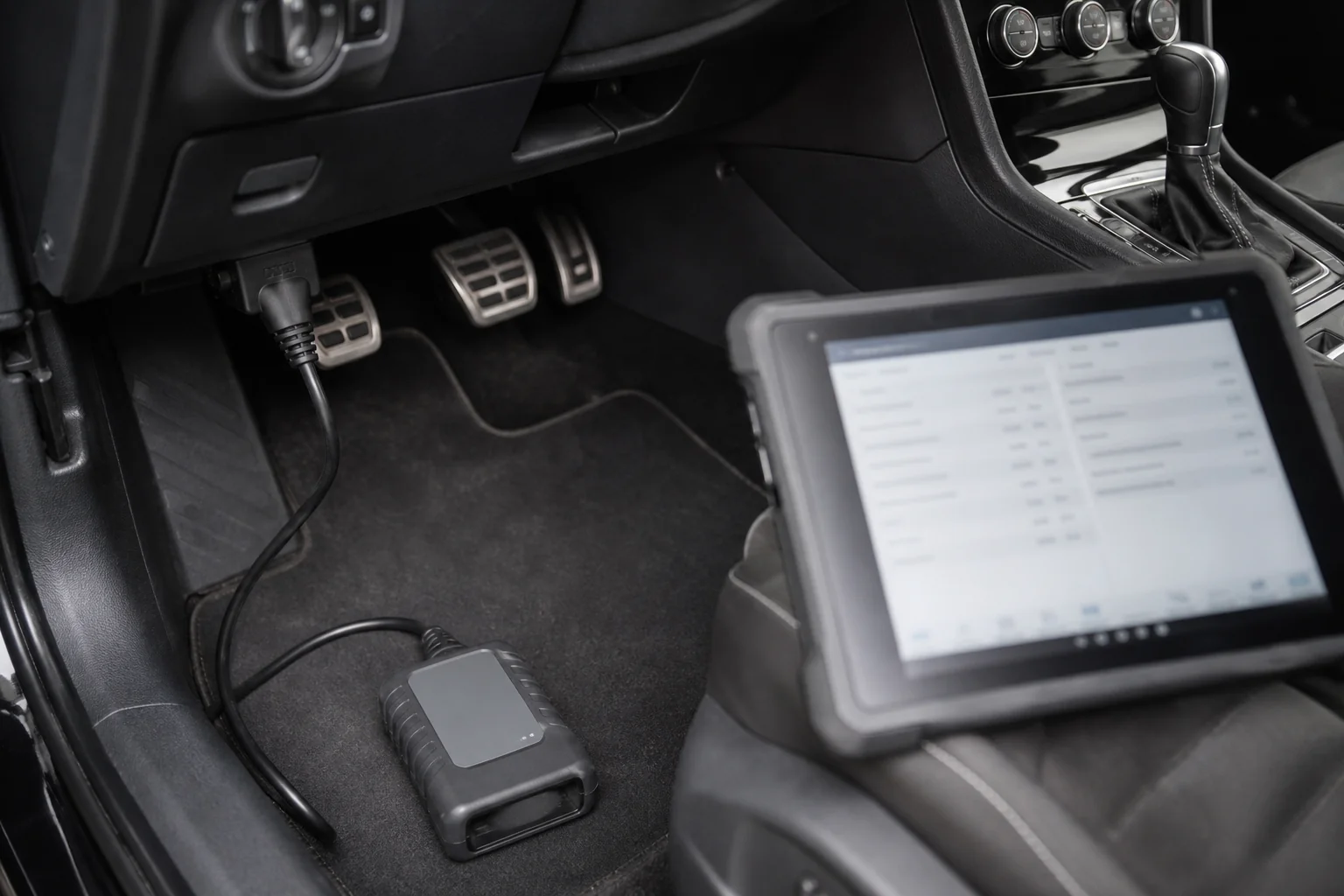
Remapping is a modification — so a manufacturer may scrutinise a warranty claim on engine or gearbox components. It does not usually void unrelated items like bodywork or electronics. Because every FLR remap saves your original factory file, you can restore stock calibration before dealer visits. Most customers remap once the powertrain warranty has expired or accept the trade-off for the gains they want.
The Short Answer
Will remapping void my warranty? Not automatically — but yes, it can affect how a manufacturer handles a claim if something goes wrong with the engine, turbo, injectors, DPF or gearbox after you have had the car tuned.
UK consumer law and manufacturer warranty terms treat ECU remapping as a modification to the vehicle. That does not mean every light bulb and wiper claim gets rejected — it means if your turbo fails six months after a remap, the dealer or manufacturer may argue the increased load contributed to the failure, even if the tune was not the root cause.
At Finish Line Remaps in Haslingden, we are straight about this before we flash anything. A Stage 1 remap from £150 on a healthy car is safe when done properly — but safety and warranty are different conversations. You deserve both answers, not a sales pitch that pretends neither exists. Our Stage 1 remap guide covers risks including warranty in plain English.
What “Voiding Warranty” Actually Means in the UK
Manufacturers rarely print “remap = entire warranty cancelled” in one sentence. What actually happens is more nuanced — and that nuance matters when you are deciding whether to book.
Powertrain vs whole-car warranty
Most new-car warranties cover different areas for different periods. A typical structure might be three years unlimited mileage on the whole car, with five or seven years on the powertrain — engine, turbo, gearbox, differential. A remap most directly affects the powertrain portion because you have changed how that hardware is asked to perform.
Body corrosion, infotainment glitches and suspension bush wear are separate. Nobody sensible claims a Stage 1 ECU tune voids your coverage for a rattling dashboard trim — but they may question a failed high-pressure fuel pump if the car has been running higher torque than factory.
“Related claim” scrutiny
The phrase you will hear is related claim. If a component fails and the manufacturer believes a modification contributed — directly or indirectly — they can refuse that portion of the repair. They do not need to prove the remap caused the failure beyond reasonable doubt in every case; they need grounds to link the modification to the failure mode.
That is why forum posts swing between “my dealer never noticed” and “they refused my engine claim.” Both can be true. Different dealers, different cars, different failure types, different map quality.
Consumer Rights Act — where it does and does not help
The Consumer Rights Act protects you against faulty goods at point of sale. It does not give you a free pass to modify a car and expect the manufacturer to cover every consequence without question. If the car was faulty before you remapped — a manufacturing defect unrelated to tuning — your rights still apply. If the failure happens after aggressive tuning on a weak component, expect a harder conversation.
Can Dealers Detect a Remap?
Yes — sometimes easily, sometimes not at all. Honest tuners do not pretend dealers are blind.
Main dealers and specialist workshops may detect remapping through:
- Diagnostic logs and adaptation values that do not match factory baselines
- Software version checks against known stock file identifiers
- Road test behaviour — boost delivery and torque curves that feel beyond factory specification
- Specialist tuning-detection tools used by some franchises and insurance assessors
- Physical evidence of supporting mods — aftermarket intakes, decats, piggyback boxes — that imply tuning even if the ECU is currently stock
Restoring your factory file before a visit removes the active modified calibration from the ECU. It does not always erase every trace that software was changed — think of it like uninstalling an app; sometimes logs remain. For many routine services, dealers never look that deeply. For a £8,000 engine failure under warranty, assume they will.
We backup your original file before writing anything. Reversing a remap is standard on every FLR job — not an optional extra. Read more in our Knowledge Centre: can remapping be reversed?
Warranty Scenarios — Which One Are You In?
Brand-new car, full warranty remaining
Remapping a two-month-old lease car because you want more torque is your choice — but go in with open eyes. If the turbo fails at 18,000 miles, the manufacturer will ask questions. Some brands are more aggressive than others; German franchises often have structured processes for flagging modified vehicles.
Warranty ending within 12 months
A common compromise: book the remap for the month after expiry, or accept the risk for the final year because the performance gain is worth more than the remaining cover on a low-mileage car. We will not tell you what to do — we will tell you what the trade-off is.
Out of warranty — high mileage daily driver
This is bread-and-butter for independent remappers. Your risk shifts from manufacturer claims to mechanical wear you would already be paying for yourself. Diagnostics matter more here: a 120,000-mile diesel with a tired turbo is a bad remap candidate regardless of warranty status.
PCP, HP or lease
Finance companies care about residual value and contract condition. A remap may need declaring under your agreement. At contract end, returning a modified car without disclosure can create charges or disputes. Keep paperwork — our written spec helps.
How FLR’s Reversible Backup Helps
Every Finish Line Remaps calibration starts with reading and saving your factory ECU software. That file lives securely — if you need to return to stock for a dealer visit, warranty assessment, finance inspection or sale, we restore it.
That reversibility is one of the five points in our standard process:
- Quote and confirm your vehicle details
- Full diagnostic health check
- Backup of your original ECU file
- Custom-written calibration — never generic
- Road verification and honest handover
Reversibility does not eliminate warranty scrutiny — but it is the professional baseline. Tuners who skip backups leave you stuck modified with no clean exit path. That is a red flag before you worry about warranty wording.
What Happens If You Need a Claim
If something fails while you still have manufacturer cover — remapped or not — the process usually looks like this:
- You book with a main dealer or approved repairer
- They diagnose and may log software checks as part of assessment
- If modification is flagged, the claim goes to the manufacturer for review
- The manufacturer decides whether the failure is related to the modification
- You either get cover, partial cover, or a bill for the repair
Being upfront helps. Hiding a remap and getting caught mid-claim is worse than declaring it when asked. If you restored stock before the visit, you are not lying — but evasive answers when directly questioned create problems of their own.
Our advice: if warranty cover matters more than performance right now, wait. If the warranty is gone or you accept the trade-off, remap properly with diagnostics and a custom file — not a cheap flash that increases mechanical risk and warranty exposure.
Remapping vs Other Modifications — Warranty Comparison
Remapping is invisible from the outside — which makes people think it is “invisible” to warranty too. It is not. Compare how different mods typically affect claims:
| Modification | Visible? | Typical warranty impact |
|---|---|---|
| Stage 1 ECU remap | No | Powertrain claims may be scrutinised |
| Aftermarket exhaust / decat | Yes | Exhaust + related engine claims |
| Lowered suspension | Yes | Suspension, steering, wear items |
| Hybrid turbo upgrade | Often yes | Engine, turbo, fuelling system claims |
| Tuning box (piggyback) | Sometimes | Similar to remap — modification category |
| Cosmetic wrap / alloys | Yes | Usually unrelated to powertrain |
Software changes are not “free” just because you cannot see them. They change how the engine operates — which is exactly what powertrain warranty covers.
FLR’s Honest Recommendation by Car Age
Under 12 months old / full warranty
Unless you are comfortable with the risk on a related claim, most sensible owners wait. Enjoy the car stock briefly — the map will still be there when cover expires.
1–3 years / warranty running out
Your call. If you do remap, use a professional with backups and stay within Stage 1 hardware limits on a healthy car. Read is ECU remapping safe? alongside this guide.
3+ years / post-warranty
The most common sweet spot. Book diagnostics, confirm mechanical health, and get a custom map that makes daily driving across Rossendale and the M65 actually enjoyable.
High mileage / unknown history
Warranty may already be irrelevant — mechanical condition is not. We turn away or defer jobs when turbos, clutches or DPFs are not healthy enough to tune. That protects you more than any warranty paragraph.
So — Does Remapping Void Your Warranty?
Does remapping void manufacturer warranty in the UK? It can affect powertrain-related claims because it is a modification — but it does not automatically cancel your entire warranty coverage overnight. The real variables are your car’s age, your risk tolerance, map quality, mechanical health and whether you have a reversible backup.
We are based in Haslingden and serve drivers across Lancashire and the North West. We would rather lose a booking than pretend warranty does not exist.
Questions about your reg and timing? Request a quote, call 01706 404 357, or explore the warranty FAQ in our Knowledge Centre.
Warranty & Remapping — Common Questions
Not usually in one blanket cancellation. Remapping is a modification that most directly affects powertrain-related warranty claims — engine, turbo, gearbox and associated components. Unrelated items like bodywork or interior faults are a separate matter.
Often yes — through diagnostic logs, software checks, road testing or specialist tools, especially on large warranty claims. Restoring your factory file before a visit removes the active modified map but may not erase every historical trace.
Many owners do for peace of mind on routine services. We save your original file on every FLR remap and can restore it on request. Contact us before your appointment if you need to return to factory calibration.
It can. Finance contracts may require disclosure of modifications and can affect end-of-term inspections. Keep documentation of what was changed — we provide a written spec sheet on request.
Many customers do — it removes manufacturer claim risk entirely. If you remap while covered, accept that related powertrain claims may be challenged. There is no universal right answer; it depends on your car, mileage and priorities.
Yes — TCU gearbox tuning is also a software modification. Gearbox-related warranty claims may be scrutinised similarly. The same backup-and-restore principle applies to TCU files we write.
Book a diagnostics session. We can check for signs of existing tuning, fault codes and mechanical health before you plan any further work. Always ask the seller directly when buying.
Yes — they are separate. Insurance declaration is required regardless of warranty status. See our remapping and insurance guide for the full UK picture.