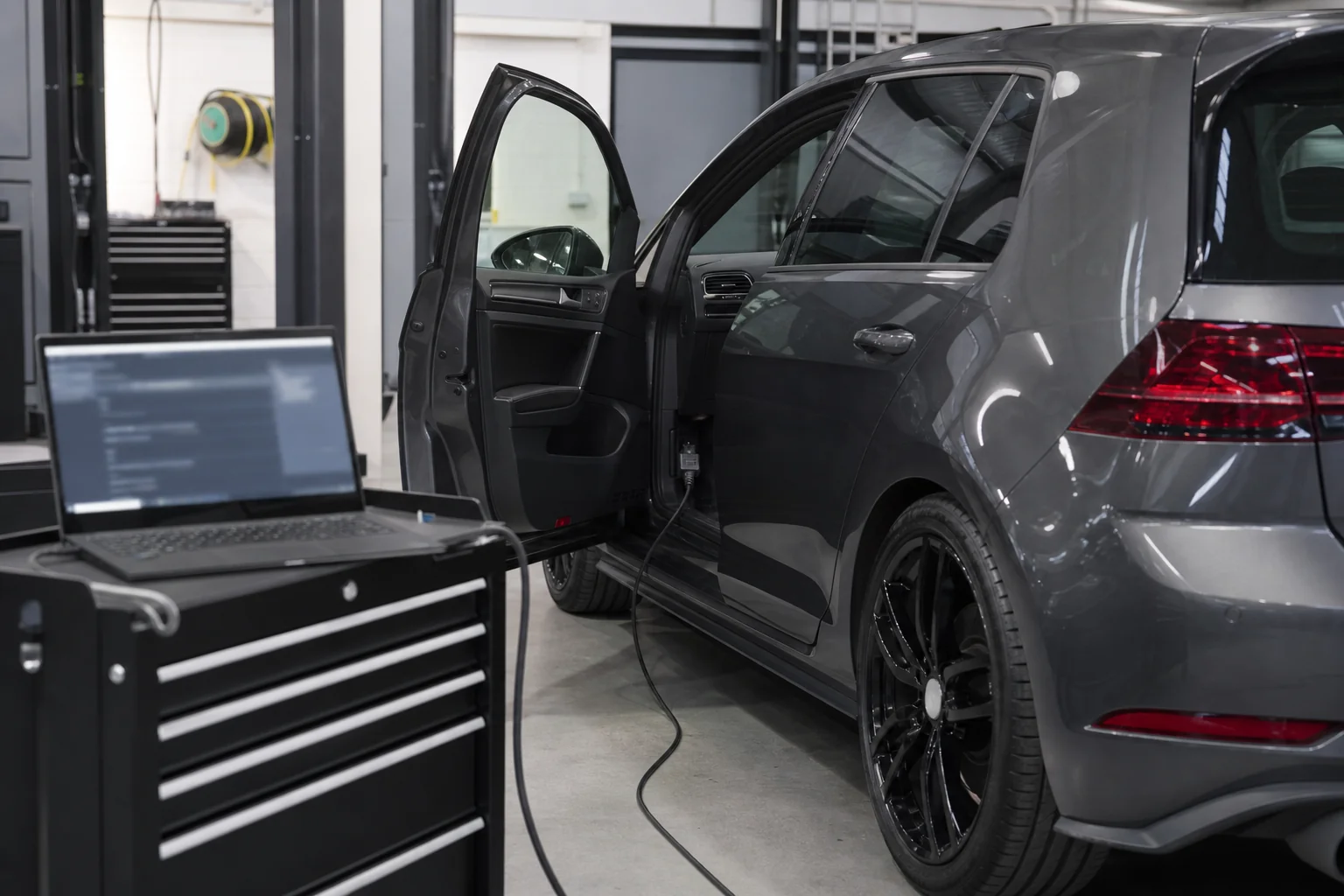
A remap's effect on resale value depends on the buyer. Enthusiasts often pay attention to a quality, documented remap; everyday buyers and dealers tend to value cautiously or want stock. Your three honest options: sell it declared with paperwork, return to stock first (we keep your factory file, so this is always available to FLR customers), or part-exchange and accept the dealer's conservative view. What you should never do is hide it — an undeclared remap passes real risks to the new owner, including an insurance policy they do not know is compromised. The written spec sheet we provide is your best selling asset either way.
The Short Answer
Does a remap add value when you sell? Sometimes, to the right buyer, when it is documented and reversible. Does it knock money off? Sometimes, with the wrong buyer or a cautious dealer. The variable is not the remap — it is the match between the car and the person buying it, and how much confidence your paperwork gives them.
The one universal rule: honesty costs you less than it feels like it will. Declaring a quality remap loses you a subset of nervous buyers; hiding it exposes you to comeback if the sale sours, and exposes the new owner to risks they never agreed to take. Everything below flows from that.
This applies to private sellers, part-exchangers and anyone whose PCP or finance term is ending. If you have not remapped yet and resale is already on your mind — good, read this first, then is a Stage 1 remap worth it? with clearer eyes.
Buyer Psychology — Enthusiast vs Everyday Buyer
Picture two people replying to the same advert.
The enthusiast knows what a remap is, has probably researched tuners, and reads "Stage 1, custom-written, documented, reversible" as care rather than abuse. To this buyer a quality remap with paperwork is a feature — the car they wanted, with the work already done. What worries them is not tuning; it is undocumented tuning, because it makes them wonder what else was done cheaply.
The everyday buyer wants a dependable car for the school run and the commute. To them, "remapped" reads as "driven hard" and "might affect my insurance" — regardless of the reality that a properly mapped, diagnostics-first car may be healthier than an unmapped one that skipped every service. You will rarely talk this buyer around, and it is usually not worth trying.
The practical takeaway: match the presentation to the market. A hot hatch or tuned diesel finds enthusiast buyers who value the work. A family SUV mostly finds everyday buyers — which is exactly the situation return-to-stock exists for.
Dealer Part-Exchange Reality
Dealers value cars to sell on with minimum friction, and a remap is friction. Expect one of three responses: they do not check and value it as standard; they spot it and value cautiously — knocking something off for the perceived risk or the cost of returning it to stock; or, on newer cars going through manufacturer channels, they flag it because the brand's diagnostic platform can detect calibration changes. We wrote up how that detection works in can dealers detect a remap?.
Do not expect a dealer to add value for a remap, however good it is — their trade valuation systems have no box for it. If your car is going to part-exchange, returning it to stock beforehand usually removes the question entirely, which brings us to the option most owners forget they have.
Return to Stock — The Option We Build In
Before we flash anything at FLR, we read and archive your factory ECU file — permanently. That means any car we have mapped can be returned to its exact original calibration whenever you want: before a part-exchange, before the end of a PCP term, or because the next owner wants standard. The mechanics of it are covered in can a remap be reversed?, but the resale logic is simple:
- Selling to an everyday buyer or part-exchanging? Return to stock. You remove the awkward conversation and the cautious valuation in one visit.
- Selling to an enthusiast? Consider leaving it on, declared and documented — and mention the stock file exists, because reversibility reassures even buyers who want the map.
- Finance or PCP return? Return to stock, full stop. Handing back a modified car against a finance agreement invites disputes you do not need.
One caveat we give straight: returning to stock restores the calibration, not the history. If asked directly whether the car was ever remapped, the honest answer is still yes.
Declaring to the Buyer — The Honesty Bit
Legally, private sellers must not misrepresent a car — actively denying a remap you know about crosses that line. Practically, honesty is also the stronger sales position: "Stage 1 by Finish Line Remaps, diagnostics before flashing, custom file, factory backup held, here is the spec sheet" is a confident sentence that sells care. A buyer who discovers an undisclosed remap later — and a dealer scan or a curious new owner reading is my car remapped? can surface it — now doubts everything else you told them.
Declare it in the advert or early in conversation, frame it with the documentation, and let the nervous buyers self-select out. The ones who remain are the ones who will pay properly.
The Written Spec Sheet — Your Selling Asset
Every FLR remap comes with a written spec sheet: what was done, when, on what vehicle, with diagnostics performed before flashing and the factory file archived. At sale time this one document does three jobs. It proves professionalism — this was a process with a health check, not a £80 eBay flash in a car park. It answers the buyer's real question, which is never "is it remapped?" but "was it done properly?". And it transfers something of value: the new owner inherits access to the stock file and a tuner who knows the car's history.
Keep it with the service history. A folder containing MOTs, services and a tuning spec sheet reads as an owner who looked after everything — which, more than the map itself, is what buyers pay for.
The Risks an Undeclared Remap Passes On
This is the part sellers do not always think through. Sell a remapped car without saying so, and the new owner drives away with:
- An insurance blind spot. They cannot declare a modification they do not know about — and in the UK a remap is a material modification that must be declared. If it surfaces during a claim, their policy is at risk. Our remap insurance guide covers how insurers treat it.
- A warranty surprise. If any manufacturer or aftermarket warranty remains, a discovered calibration change can complicate powertrain claims they thought they had.
- A mechanical unknown. They will service and drive the car assuming factory outputs. Usually harmless — but it is a decision that was theirs to make, taken from them.
None of this lands on you the moment the money changes hands — but misrepresentation claims exist, small claims court exists, and "the seller never mentioned it" is not a conversation you want. Declare or return to stock. There is no honest third option.
A Note on MOT and Legality
A road-legal remap — one that keeps every factory emissions system active — is not an MOT issue, and the test does not check ECU calibration anyway; the detail is in remapping and MOT — the facts. What does tank a sale is emissions tampering: DPF or EGR deletes are illegal for UK road use, fail visual and emissions checks, and make a car close to unsellable honestly. FLR does not do deletes, and if you are buying a used tuned car, checking for them is the first thing we would look at — our diagnostics service from £40 covers exactly that as a pre-purchase check.
What the Options Cost
Returning to stock is a short workshop or mobile visit for FLR customers — we already hold your factory file, so it is a straightforward flash-back; contact us and we will confirm the cost for your car. Selling with the map on costs nothing beyond honesty and the spec sheet you already have. And if you are at the other end of the journey — buying a car and adding the map yourself — Stage 1 starts from £150 with diagnostics included, DSG tuning from £150, or both together as a bundle from £275. Either way the factory backup and reversibility are built in from day one, which is precisely what makes the resale conversation easy years later.
When NOT to Bother Changing Anything
- Selling to a known enthusiast who wants the map — leave it on, hand over the spec sheet, done
- Older, high-mileage car at modest money — the remap moves the price little either way; declare it and sell honestly
- Keeping the car after all — resale nerves are not a reason to flash back a map you enjoy every day; the stock file is not going anywhere
- Mid-negotiation — do not return to stock as a panic response to one buyer's wobble; the next enquiry may want the map
Next Steps
Selling soon? Decide your buyer first, then the strategy follows: declared-with-paperwork for enthusiasts, return-to-stock for everyday buyers, dealers and finance returns. FLR customers can get in touch or call 01706 404 357 to arrange a flash-back — workshop in Haslingden or mobile across Lancashire. Buying a used car you suspect is tuned? Book a pre-purchase diagnostic before you commit. And if you are still at the "should I even remap?" stage, our Stage 1 service page and the FAQ cover reversibility, insurance and everything else that makes selling later painless.
Remaps & Resale — Common Questions
Not automatically. To enthusiast buyers a quality, documented remap can be a selling point; to everyday buyers and dealers it tends to prompt cautious valuation. The deciding factors are the buyer, the paperwork and whether the car can be returned to stock — which FLR customers always can.
For part-exchange, finance returns and everyday-buyer sales — usually yes, it removes the cautious-valuation conversation entirely. For enthusiast sales, consider leaving the map on, declared and documented. We archive every customer's factory file, so flashing back is always available.
You must not misrepresent the car — denying a remap you know about crosses a legal line, and honesty is the stronger sales position anyway. Declare it with the spec sheet and let the paperwork do the selling. If you have returned it to stock and are asked directly, the honest answer is still that it was previously remapped.
Realistically, no — trade valuation systems have no mechanism to add value for tuning, and a detected remap more often triggers a cautious deduction. If part-exchange is the plan, returning to stock first usually gets the cleaner valuation.
Sometimes. Manufacturer diagnostic platforms can flag calibration changes on newer cars, and an informed buyer may spot the signs. Assume detection is possible and plan around honesty rather than hoping nobody checks — our dealer-scans guide covers exactly how detection works.
The new owner inherits an undeclared modification — including an insurance policy that may be compromised without their knowledge, since UK insurers require remaps to be declared. If the remap is discovered later, you are exposed to misrepresentation claims. Declare it or return the car to stock.
It restores the factory calibration, so the car drives and reads as standard. It does not rewrite history — some manufacturer systems log flash events, and honesty rules still apply if a buyer asks directly. What it does do is remove the modification itself, which is what most buyers and dealers actually care about.
Ask the seller directly, ask for tuning paperwork, and book a pre-purchase diagnostic — from £40 at FLR we can check for calibration changes and, more importantly, for illegal emissions deletes that would make the car a liability. A documented remap from a reputable tuner is not a red flag; an undocumented mystery is.