A mapped engine works harder, so service it better than the minimum: correct-spec quality oil changed every 6,000–8,000 miles rather than stretched long-life intervals, a healthy cooling system, fresh plugs and filters on schedule, and sensible warm-up and cool-down habits. It does not need magic additives, premium-brand worship or constant fettling — just good basics done consistently. FLR remaps from £150 include diagnostics and aftercare advice, and our £275 remap-and-service bundle starts the clock properly.
The Short Answer
Does a remapped car need special servicing? Mostly no — it needs proper servicing, done slightly more often. A Stage 1 remap raises cylinder pressures and temperatures within the engine's designed tolerances, but "within tolerance" still means the oil shears faster, the cooling system works harder and small neglected issues get found out sooner. The maintenance schedule that was adequate at factory power becomes the bare minimum at mapped power.
Every FLR job — Stage 1 from £150 with diagnostics included, DSG tuning from £150 — ends with the same conversation this article writes down. Follow it and a mapped engine will happily outlast most owners' patience for the car.
Who This Applies To
- Fresh Stage 1 customers — petrol or diesel, the advice is 90% shared
- Stage 2 and beyond — everything here applies with less slack; hardware builds work components harder still
- DSG and auto owners — gearbox tuning adds transmission fluid to the list below
- Vans and towing vehicles — sustained load makes the cooling and oil advice matter most; see our towing remap guide
- Buyers of already-mapped cars — the service history questions to ask start here
Oil — the Single Biggest Aftercare Decision
If you only take one thing from this page: oil spec and change frequency matter more after a remap than anything else you control.
Why? Oil in a turbocharged engine does three hard jobs at once — lubricating the bottom end, cooling the piston crowns from underneath, and feeding the turbo bearing that spins at six figures of rpm. Higher torque and boost raise oil temperatures, and heat is what shears oil down and oxidises it. Extra fuelling on hard-worked engines also dilutes the sump slightly over time — worse on diesels doing frequent DPF regenerations.
The practical rules:
- Stick to the manufacturer's specification — the ACEA/VW/BMW/MB approval on the bottle, not the marketing on the front. DPF cars need their low-SAPS grade; do not "upgrade" away from spec.
- Buy quality within that spec — a reputable brand meeting the approval is all that is required; the £90 boutique litre adds nothing a road engine can use
- Shorten the interval — where manufacturers allow 18,000–20,000-mile long-life regimes, a mapped engine should see fresh oil every 6,000–8,000 miles or annually, whichever comes first. Long-life servicing was built for fleet cost planning, not tuned engines.
- Check the level monthly — falling level means consumption worth watching; rising level on a diesel means fuel dilution worth investigating
Coolant, Intercooler and Keeping Temperatures Honest
A mapped engine makes more heat at full load — that is physics, not a flaw. The cooling system was built with margin, but margin only exists when the system is healthy:
- Coolant condition and level — old coolant loses its anti-corrosion package; change it on schedule and use the correct type for your engine
- Radiator and intercooler faces — a decade of flies, leaves and road grime between the cores quietly costs cooling capacity; a careful clean-out is free performance insurance
- Intercooler boost pipes — mapped cars run more boost, and marginal clips and perished hoses show themselves as leaks; a boost leak makes the car feel flat and works the turbo harder for nothing
- Thermostat and fans — a lazy thermostat or dead fan stage that went unnoticed at stock power will not go unnoticed towing up the M65 at mapped torque
Plugs, Filters and the Consumables That Earn Their Keep
- Spark plugs (petrol) — higher cylinder pressures punish worn plugs; misfires under boost are the classic symptom. Replace on time, or slightly early on a tuned engine, with the correct grade — some Stage 2 builds benefit from one step colder, which we advise on per build.
- Air filter — a choked filter is a restriction the map cannot tune around; standard replacement schedule, checked more honestly
- Fuel filter (diesel) — mapped diesels ask more of the injection system; clean fuel supply on schedule protects injectors and pump
- DSG/auto fluid — tuned gearboxes handling more torque deserve their fluid changes on time, every time; skipping them is the falsest of economies
Warm-Up, Cool-Down and Daily Habits
Free insurance, costing only patience:
- Warm up before working it — drive gently until oil (not just coolant) is warm; on most cars that is a good ten minutes. Cold oil protects poorly and cold metal has not reached its designed clearances. Full boost on a stone-cold engine is how mapped cars get an undeserved bad name.
- Cool down after hard use — after a sustained motorway run or a spirited climb over the tops, the last minute or two driven gently lets the turbo shed heat with oil still flowing. Modern cars are more tolerant than the old turbo-timer era, but hard pull straight to key-off is still the worst pattern.
- Do not hunt for the power constantly — the point of a good map is effortless mid-range, not maximum attack everywhere; driven normally, a mapped car works barely harder than stock
- Fuel to suit the map — if your petrol map was written around 98–99 RON, feeding it supermarket 95 asks the knock control to save you regularly; use what the file expects
Listening to the Car — What to Watch After Tuning
You know your car's normal better than anyone. After a remap, keep half an ear out for changes — not because the map causes them, but because more torque finds weak links sooner:
- New noises under load — boost leak hiss, exhaust blow, a clutch that flares revs on a hard third-gear pull
- Clutch slip — rpm rising without road speed under full torque is the mapped-car tell; back off and get it checked before it becomes a flywheel bill too. Our clutch health guide covers the signs.
- Warning lights — never ignore, never just clear; codes exist to be read and understood, and a scan costs from £40
- Fluid levels and MPG — a monthly bonnet-up habit catches most developing problems while they are cheap
The Annual Health Check
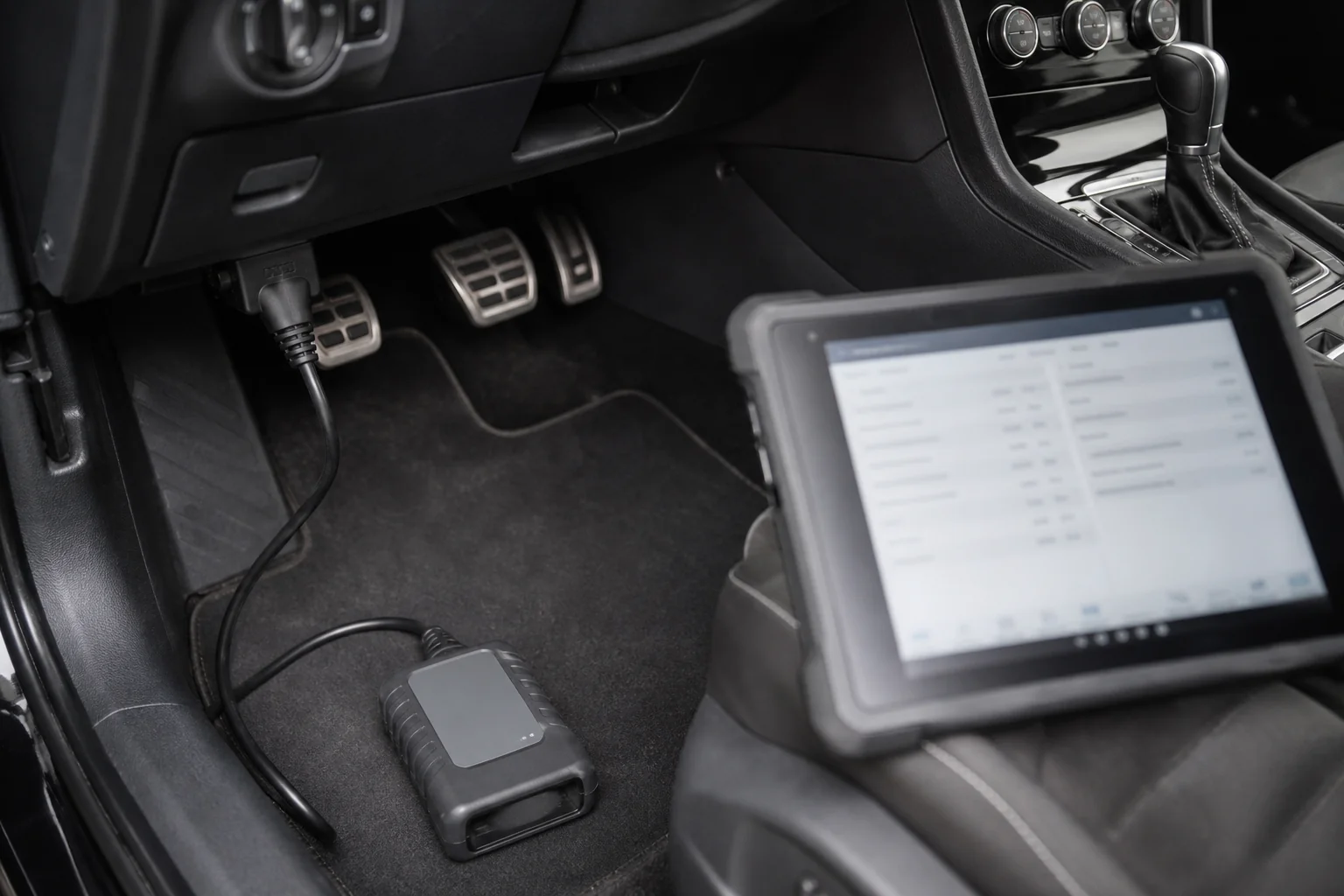
Once a year — or before a big towing holiday or track day — a proper look-over is worth far more than any additive: full code scan including stored history, live-data check of boost, fuelling and temperatures against what the map expects, a visual on hoses, clips, intercooler and leaks. We offer exactly this at FLR, and because we archive every customer's factory file and map for life, we can also verify the calibration is exactly as written — useful before dealer visits or resale, and painless to revert if you ever need stock; see can a remap be reversed?
Keep the paper trail too. A folder of dated invoices — oil brand and spec noted — protects resale value and answers every question a future buyer or warranty assessor might ask. And a reminder that has nothing to do with spanners: a remap must be declared to your insurer, at the time of tuning, not at renewal.
What a Mapped Engine Does NOT Need
The aftercare market loves a worried owner. Save your money on:
- Miracle oil additives — a quality oil already contains its designed additive package; pouring mystery friction-modifier on top helps the bottle-seller, not the bearings
- Weekly "maintenance" fuel additives — an occasional quality injector cleaner has a place; a standing subscription does not
- Obsessive premature part replacement — plugs, filters and fluids on (slightly shortened) schedule, yes; swapping healthy parts "because it's mapped", no
- Re-flashing rituals — a properly written custom file does not need periodic "refreshing"; if the car changes hardware or develops a fault, that is a conversation, not a routine
- Constant dyno checkups — live-data verification told us the map was right when it was flashed; annual health checks watch it far more usefully than chasing dyno numbers
When NOT to Act
- The car drives perfectly and the service is not due — resist inventing jobs; consistent basics beat sporadic enthusiasm
- A single cold-morning rattle that vanishes in seconds — note it, monitor it, do not panic-strip anything
- Forum-diagnosed doom — if someone online has convinced you your engine is failing, a £40 scan with live data is the antidote to guesswork
Next Steps
If you are planning a remap and the car is near a service, do both in one visit — the £275 remap-and-service bundle starts the aftercare clock properly. Already mapped, by us or anyone else, and want a baseline? Book a diagnostic health check from £40 at the Haslingden workshop or mobile across Lancashire — Rossendale, the A56 corridor and the wider North West. Economy-focused drivers should also read our economy tuning page: aftercare and calibration pull in the same direction there.
Questions about your specific engine's oil spec or intervals? Ask us directly, call 01706 404 357, or browse the Knowledge Centre — free advice is part of the aftercare.
Servicing After a Remap — Common Questions
Every 6,000–8,000 miles or annually, whichever comes first — even if the manufacturer allows a long-life interval of 18,000+ miles. A mapped engine runs the oil hotter and harder, and fresh oil is the cheapest protection it can have.
No — you need the correct manufacturer specification, from a reputable brand, changed more often. Stay with the approval your engine requires (including low-SAPS grades on DPF cars). Boutique oils add cost, not protection, on a road engine.
A properly written custom map keeps the engine within its designed tolerances, but it does work components harder at full load. With correct-spec oil on shortened intervals, a healthy cooling system and sensible habits, mapped engines routinely run long, trouble-free lives.
Yes. Drive gently until the oil is properly warm — around ten minutes for most cars — and after sustained hard running, drive the last minute or two calmly so the turbo sheds heat with oil still circulating. Both habits cost nothing and protect the hardest-worked parts.
Keep the fluid changes on schedule without fail — a tuned gearbox transmits more torque and depends on healthy fluid to do it. FLR DSG and TCU tuning starts from £150, and we advise on fluid intervals for your specific gearbox at handover.
Mostly no. Quality oil already contains its full additive package, and miracle bottles add nothing useful. An occasional reputable injector cleaner is reasonable; standing additive routines are marketing. Spend the money on more frequent oil changes instead.
New noises under load, clutch slip on hard pulls, warning lights, and unusual changes in fluid levels or MPG. More torque finds weak links sooner — catching them early keeps them cheap. Any concern, a diagnostic scan from £40 gives you evidence instead of worry.
No — a properly written file does not degrade or need periodic renewal. It only needs revisiting if you change hardware or a fault develops. FLR archives your factory file and calibration for life, so verification and full reversal are always available.